V8 70 Series vs 2.8 Auto – What Owners Really Miss
Since its debut in 1984, the Toyota Land Cruiser 70 Series has built a near-mythical reputation across Australia's harsh and remote landscapes. For many, the line between a mere workhorse and a trusted companion is drawn by its mechanical simplicity, reliability, and a characterful V8 soundtrack that echoes across the outback. But with the recent rise of the 2.8-litre turbo-diesel auto (1GD-FTV), some owners are left wondering: what do you really lose when swapping the classic V8 70 Series (1VD-FTV) for the more modern, efficient 2.8? More importantly, what does that mean for the demands of remote reliable travel across Australia’s unforgiving terrain?
Longevity Since 1984: Why the 70 Series Still Matters
The 70 Series made its mark back in the mid-1980s, quickly becoming the vehicle of choice for industries that required brutal dependability—mining, cattle stations, and remote travel providers alike. Thanks to its proven ladder-frame chassis, leaf-sprung live axles front and rear, and a mechanical design that prioritises ease of repair, this generation of Land Cruiser cemented the formula for remote travel.
While Toyota and its dealerships have expanded their model range, the heart of the 70 Series' appeal remains in that raw durability and straightforward repairability. The V8-powered models featuring the 1VD-FTV engine bring with them years of accumulated knowledge and a parts supply ecosystem that’s never been better thanks to specialist partners like 70 Series Store.
The Mechanics That Keep 70 Series Going
- Ladder-frame chassis: provides unparalleled rigidity and simplicity in repair, crucial for remote fixes.
- Live axles front and rear: rugged, durable, and easy to service with minimal tools.
- Mechanical simplicity: fewer electronics, more spanners; ideal for remote areas lacking access to high-tech diagnostics.
- Proven V8 1VD-FTV engine: renowned for its torque, durability, and that iconic exhaust note beloved by purists.
This combination means that if something does break (and it will), you’re not stuck waiting for a specialised mechanic who only works on the fancy, electronically complex drivetrains. Instead, you can, with a bit of experience and parts from stores like 70 Series Store, perform repairs yourself—even deep in the bush.
1VD-FTV vs 1GD-FTV: The Engine Duel Under the Bonnet
The release of the 2.8-litre turbo-diesel (1GD-FTV) into the 70 Series range marked a significant step toward cleaner emissions, better fuel consumption, and more urban-friendly handling thanks to its lower weight and modern design. However, opinions among owners remain divided.
Feature V8 1VD-FTV 2.8 Auto 1GD-FTV Displacement 4.5 Litres 2.8 Litres Power 200 kW (approx.) 150 kW (approx.) Torque 650 Nm 500 Nm Fuel Consumption Higher Lower Complexity Lower (more mechanical) Higher (modern electronics) Soundtrack Throaty, classic V8 rumble Quieter, turbo-diesel hum Repairability in Remote Areas High - parts available, straightforward mechanics Lower - more complex, specialised parts neededThe V8 1VD-FTV punches well above its weight in terms of torque and durability, making it the go-to for those who haul heavy loads or require endless reserve power to tackle rough terrain and trailer loads. Plus, let's be honest: nothing beats the nostalgic, energising V8 soundtrack that purists swear by in 2024—they'll tell you it’s part of the Land Cruiser's soul.
On the other hand, the 1GD-FTV 2.8 Turbo offers better fuel economy and lower emissions—a strong selling point for fleets and travellers spending body on frame 4wd many fuel stops between towns (something those familiar with the Australian Travel & Tourism Network Pty Limited’s extensive outback expeditions will appreciate). It’s quieter, smoother, and has a suite of modern electronic aids that’s helpful on the highway but often a headache when deep in the bush with limited internet or diagnostic options.
Purist Reaction 2024: The Debate Rages On
The 2024 purist community, from online forums to club meet-ups, often notes that while the 2.8-litre engine is impressive on paper, it lacks the “soul” the V8 embodies. Here’s a distilled perspective from those who live and breathe Land Cruisers hourly:
- The V8’s mechanical simplicity allows owners to carry basic spares and tools, and fix problems in the field without expensive diagnostic gear.
- The 1GD-FTV’s complexity means more reliance on Toyota dealerships and specific aftermarket parts suppliers like 70 Series Store, which aren't always accessible kilometers from the nearest town.
- V8 durability means fewer common failures, especially around high-load conditions such as towing road trains or cattle trailers typical in outback Australia.
- The distinctive V8 exhaust note is a badge of culture and history: it tells anyone within earshot you’re running a no-nonsense rig made for decades of punishment.
That said, the 2.8 auto isn’t written off—it suits a new wave of users looking for greater on-road comfort, reduced fuel stops, and access to some modern creature comforts without completely sacrificing offroad capability.
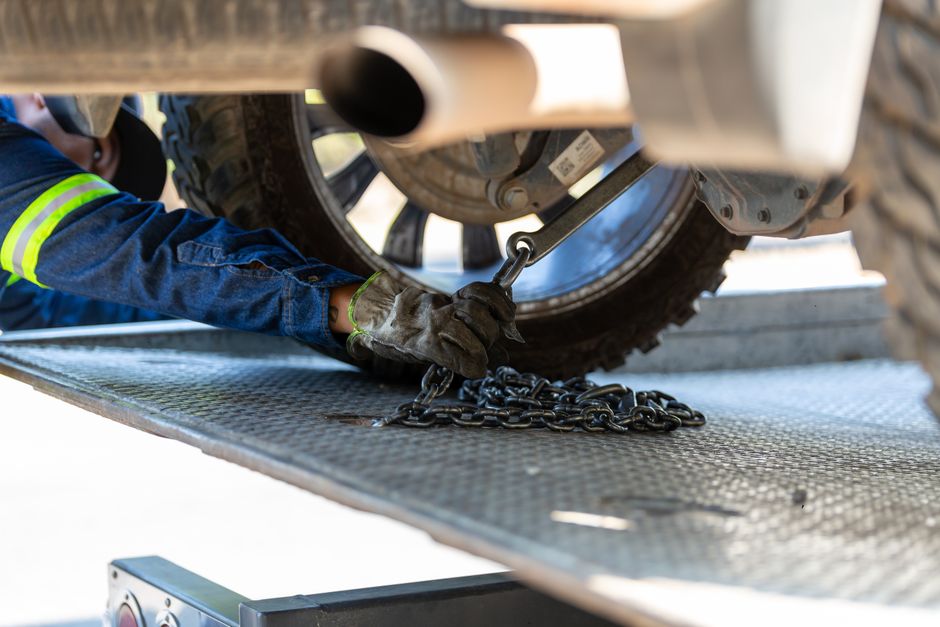
Repairability and Mechanical Simplicity: What Breaks First and How to Fix It
One thing a 70 Series V8 owner quickly learns is that it’s not a matter of if, but when something will break—and typically, it’s the usual suspects that give the least headache:
- Leaf springs: tend to sag or crack over 200k km+ but can be swapped in the field with basic tools.
- Exhaust manifold cracking: common on the V8, usually fixed with a weld patch or replacement manifold from Toyota dealership or 70 Series Store.
- Fuel injection lines and pump: mechanical and easy to bleed, less electronic control means reliability even when diesel quality is questionable.
- Battery and starter motor: basic components easy to diagnose and replace without specialised scanners.
Compare this to the 2.8, where you’re more likely to face issues with electronic sensors, turbochargers, or complicated emission control parts that require dealer-level computers and less field-serviceable parts.
The Ladder-Frame and Live-Axle Durability: Built for the Long Haul
Another aspect to praise with the traditional 70 Series V8 is the engineering style that hasn’t changed much since 1984. The rugged ladder-frame chassis combined with the live axles provide a simple, durable platform that can be doused in mud, exposed to salt spray, or carved deep into rocky tracks without easily falling apart.
For travellers covering thousands of kilometres between fuel stops and towns in Western Australia’s deserts or the Northern Territory’s cattle country, this type of durability is non-negotiable. The 70 Series doesn’t wow with fancy independent suspensions but keeps going when others fail, a feature unsung in most city-only vehicle reviews.
For genuine remote Australia reliability, this setup remains a benchmark.
Aftermarket Support: Why 70 Series Store Is a Game Changer
The aftermarket ecosystem supporting the 70 Series V8 has boomed considerably in recent years. 70 Series Store—a specialist hub—stocks everything from genuine Toyota parts to heavy-duty upgrades and spares tailored explicitly for these rigs. Whether you need replacement leaf springs, diff covers, or bolt-on snorkels, this supply line is lifesaving when thousands of kilometres separate you from a Toyota dealership.
This contrasts with the 2.8-litre models where parts may be more restricted or dependent on complex diagnostic View website procedures.
Conclusion: What Do Owners Miss When Opting for the 2.8 Auto?
Choosing between the V8 70 Series (1VD-FTV) and the 2.8 auto (1GD-FTV) ultimately comes down to priorities:
- If your world revolves around remote work sites, long dirt runs, and DIY repairs with minimal downtime, you’ll miss the V8’s mechanical simplicity, the iconic engine roar, and unmatched durability.
- If your route includes more sealed roads, concern for fuel economy, and a taste for modern creature comforts, the 2.8 auto shines, but purists argue you lose the soul and the palpable toughness that made the 70 Series legendary.
For many Australian Land Cruiser enthusiasts and those loyal to the Australian Travel & Tourism Network Pty Limited’s long-range expeditions, the iconic V8 70 Series remains the true definition of “bulletproof” when properly maintained—and thanks to dedicated outlets like the 70 Series Store, keeping it that way is easier than ever.
At the end of the day, you can chase every new tech upgrade and fuel-saving tweak available, but nothing quite replaces the sound, the feel, and the invincible confidence of a well-worn V8 70 Series tackling the remote Australian outback.
